Which Are the Best Papers for Fine Art Printing? Complete Guide for Artists & Photographers
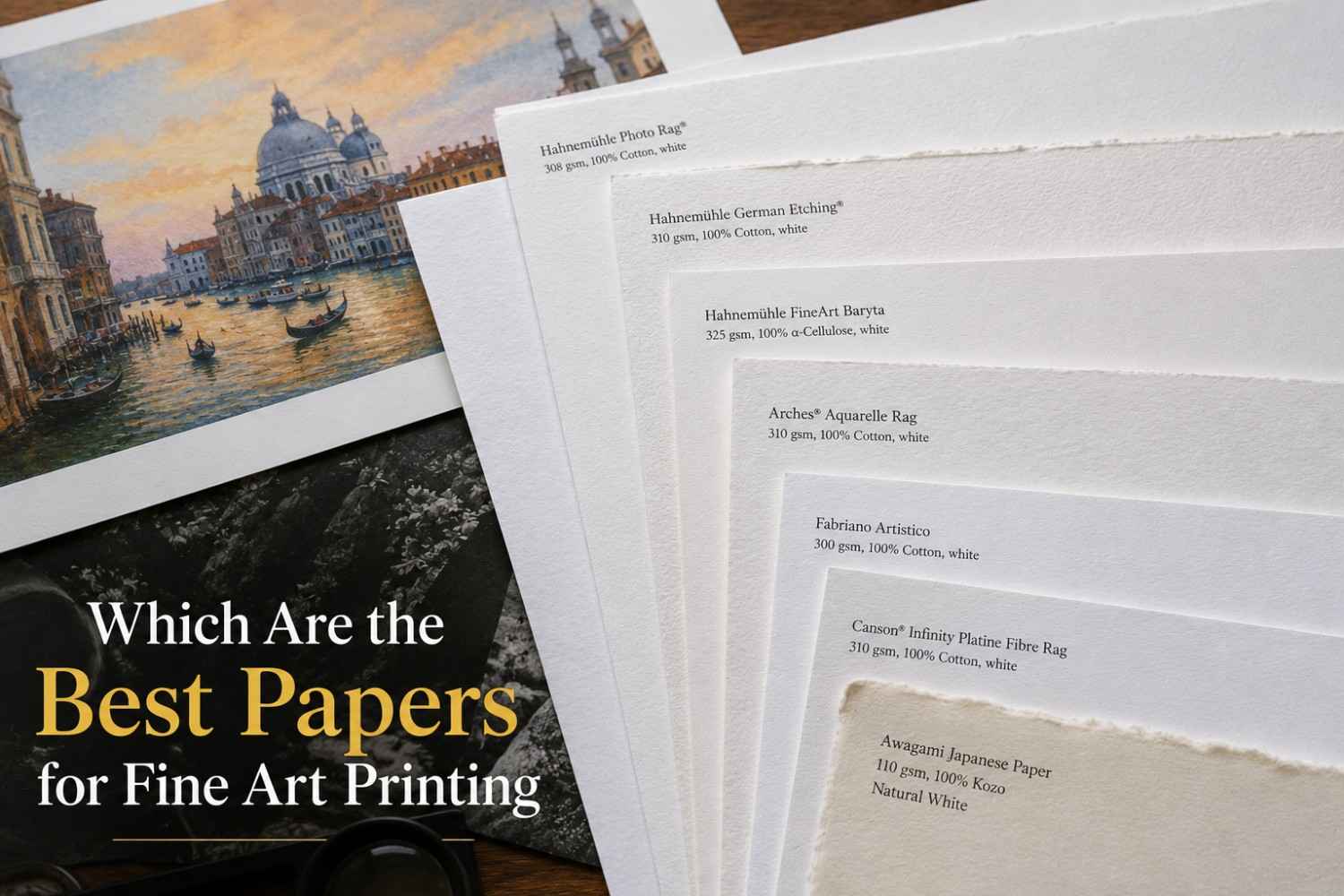
The best papers for fine art printing are archival, acid-free, 100% cotton papers from brands like Hahnemühle, Canson Infinity, Epson Signature Worthy, Ilford Galerie, and Moab. These papers produce museum-quality prints with exceptional color accuracy, deep blacks, excellent texture, and a lifespan of over 100 years when paired with pigment inks. The ideal paper depends on your artwork, whether you prefer a matte, satin, glossy, or textured finish, and how you plan to display the print.
Fine Art Paper at a Glance
| Best For | Recommended Paper |
| Gallery Prints | Hahnemühle Photo Rag 308 GSM |
| Photography | Canson Infinity Rag Photographique |
| Black & White Prints | Canson Platine Fibre Rag |
| Watercolor Reproductions | Hahnemühle William Turner |
| Digital Artwork | Epson Hot Press Bright |
| Museum Prints | Hahnemühle Museum Etching |
| Landscape Photography | Baryta Paper |
| Portrait Photography | Smooth Matte Cotton Rag |
| Limited Edition Prints | 100% Cotton Rag Paper |
Why Choosing the Right Fine Art Paper Matters
The paper is just as important as the artwork itself. Even the highest-resolution image can lose detail, color accuracy, and longevity if printed on low-quality paper.
Professional fine art papers are designed to preserve every detail while ensuring your prints remain vibrant for decades.
Benefits of premium fine art paper
Superior color accuracy
Wider color gamut
Richer blacks (higher D-Max)
Better shadow detail
Enhanced texture
Archival lifespan exceeding 100 years
Acid-free and lignin-free construction
Museum and gallery-quality appearance
Fade-resistant when used with pigment inks
Whether you're printing photography, digital illustrations, watercolor reproductions, or limited-edition artwork, selecting the right paper significantly improves the final result.
What Makes Fine Art Paper Different from Regular Photo Paper?
Many people confuse photo paper with fine art paper, but they serve different purposes.1
| Feature | Fine Art Paper | Standard Photo Paper |
| Material | Cotton Rag or Alpha Cellulose | Resin Coated Paper |
| Acid-Free | Yes | Usually No |
| Archival Quality | Yes | Limited |
| Lifespan | 100–200+ Years | 10–30 Years |
| Texture | Smooth or Textured | Mostly Smooth |
| Ink Absorption | Excellent | Moderate |
| Museum Quality | Yes | No |
| Best For | Art & Exhibitions | Everyday Photos |
Fine art paper is engineered for longevity, exceptional detail, and professional presentation, making it the preferred choice for artists, photographers, galleries, and collectors.
Must Read - Are Museum Quality Art Prints Worth the Investment?
The Best Papers for Fine Art Printing
Below are the most trusted fine art papers used by professionals worldwide.
1. Hahnemühle FineArt Papers
Hahnemühle is one of the oldest and most respected fine art paper manufacturers, producing museum-grade papers trusted by artists, galleries, and photographers.
Best for
Limited edition artwork
Fine art photography
Gallery exhibitions
Landscape photography
Popular Hahnemühle Papers
Photo Rag 308 GSM
German Etching
William Turner
Museum Etching
Bamboo
Photo Rag Bright White
Hemp
Agave
Key Features
100% cotton papers
Acid-free
Lignin-free
Archival quality
Exceptional color reproduction
Deep blacks
Soft tonal transitions
Available in smooth and textured finishes
Recommended for: Professional photographers, artists, museums, collectors, and archival printing.
2. Canson Infinity Papers
Canson Infinity combines traditional papermaking with modern inkjet technology, making it a favorite among photographers and digital artists.
Best for
Portrait photography
Digital artwork
Landscape photography
Art reproductions
Popular Papers
Rag Photographique
Platine Fibre Rag
Baryta Prestige II
Arches Aquarelle Rag
Edition Etching Rag
Features
Museum-grade quality
Wide color gamut
Excellent shadow detail
Smooth tonal transitions
High D-Max
3. Epson Signature Worthy Papers
Designed for Epson pigment printers, these papers deliver highly accurate color reproduction and professional-quality prints.
Best for
Photography
Graphic design
Portfolio printing
Popular Papers
Hot Press Bright
Hot Press Natural
Cold Press Bright
Cold Press Natural
Velvet Fine Art Paper
Features
Cotton base
Rich color depth
Excellent sharpness
Archival quality
Must Read -
4. Ilford Galerie Fine Art Papers
Ilford has a long history in professional photographic printing and is well known for producing premium fine art papers.
Best for
Wedding photography
Portraits
Nature photography
Commercial art prints
Popular Papers
Smooth Cotton Rag
Cotton Artist Textured
Gold Fibre Gloss
Fine Art Textured Silk
Features
Rich contrast
Excellent skin tones
High print consistency
Professional finish
5. Moab Fine Art Papers
Moab produces premium cotton papers suitable for photographers, artists, and galleries seeking outstanding archival performance.
Best for
Fine art photography
Watercolor reproductions
Museum displays
Limited edition prints
Popular Papers
Entrada Rag
Juniper Baryta Rag
Lasal Photo Matte
Features
Excellent ink absorption
High color accuracy
Premium cotton fibers
Long archival life
Top Fine Art Paper Brands Comparison
| Brand | Material | Finish Options | Archival | Best For |
| Hahnemühle | 100% Cotton | Matte, Textured | Yes | Museum Prints |
| Canson Infinity | Cotton Rag | Matte, Satin, Baryta | Yes | Photography |
| Epson | Cotton | Smooth & Textured | Yes | Digital Art |
| Ilford Galerie | Cotton Rag | Matte & Gloss | Yes | Portraits |
| Moab | Cotton Rag | Matte & Baryta | Yes | Fine Art Photography |
Types of Fine Art Paper
Fine art papers come in different materials and surface textures. Choosing the right type depends on the style of artwork and the visual effect you want to achieve.
1. Cotton Rag Paper
Made from 100% cotton fibers, this is considered the gold standard for fine art printing.
Best for
Museum-quality artwork
Limited editions
Professional photography
Gallery displays
Advantages
Archival quality
Exceptional texture
Superior ink absorption
Fade resistant
Premium feel
2. Alpha Cellulose Paper
Made from purified wood pulp, alpha cellulose paper offers excellent quality at a more affordable price.
Best for
Student artwork
Professional portfolios
Affordable fine art printing
Decorative prints
Advantages
Bright white appearance
Smooth finish
Lower cost
Excellent print quality
3. Baryta Paper
Originally developed for darkroom photography, baryta paper is highly regarded for producing rich blacks and vibrant images.
Best for
Black-and-white photography
Landscape photography
Exhibition prints
Fine art photography
Advantages
High contrast
Glossy or satin appearance
Excellent color depth
Deep blacks
4. Textured Fine Art Paper
Textured papers mimic traditional watercolor or handmade paper and add depth to artistic prints.
Best for
Watercolor reproductions
Oil paintings
Acrylic artwork
Traditional illustrations
Popular examples include:
German Etching
William Turner
Museum Etching
5. Smooth Fine Art Paper
Smooth papers are ideal when preserving fine details is the priority.
Best for
Portrait photography
Digital paintings
Product photography
Detailed illustrations
Popular examples include:
Hahnemühle Photo Rag
Epson Hot Press Bright
Canson Rag Photographique
How Different Papers Affect Your Artwork
The same artwork can look completely different depending on the paper you choose.
Smooth matte papers preserve fine details and subtle gradients.
Textured papers create a traditional, handcrafted appearance.
Baryta papers increase contrast and produce deeper blacks.
Glossy papers make colors appear brighter and more vibrant.
Satin papers provide a balanced look with reduced reflections.
Selecting the right paper enhances the visual impact of your artwork and ensures it is presented exactly as intended.
Matte vs Glossy vs Satin vs Baryta vs Canvas: Which Finish Should You Choose?
The best finish depends on your artwork and display purpose. Matte papers are ideal for paintings and illustrations, satin offers a balance of color and glare reduction, glossy produces vibrant colors for commercial photography, baryta delivers rich blacks for fine art photography, and canvas creates a textured gallery-style appearance.
1. Matte Fine Art Paper
Matte paper is the most popular choice for fine art printing because it produces a natural, elegant appearance without reflections.
Best for
Watercolor paintings
Pencil drawings
Illustrations
Fine art photography
Museum displays
Limited edition prints
Advantages
No glare or reflections
Soft, natural colors
Excellent readability
Rich paper texture
Premium artistic appearance
Limitations
Slightly lower contrast than glossy papers
Colors appear softer
2. Satin Fine Art Paper
Satin paper provides a subtle sheen while maintaining a professional appearance.
Best for
Portrait photography
Wedding photography
Home décor
Professional photo albums
Advantages
Better color depth
Reduced glare
Rich contrast
Premium finish
Limitations
Slight reflections under strong lighting
3. Glossy Fine Art Paper
Glossy paper delivers maximum vibrancy and sharpness.
Best for
Commercial photography
Product photography
Fashion photography
Marketing displays
Advantages
Bright colors
Strong contrast
High sharpness
Excellent detail
Limitations
Fingerprints are more visible
Reflective under lighting
4. Baryta Paper
Baryta paper combines a smooth surface with exceptional tonal range and deep blacks, making it a favorite among professional photographers.
Best for
Black & white photography
Landscape photography
Exhibition prints
Collector editions
Advantages
Highest D-Max
Rich blacks
Wide color gamut
Luxurious finish
Limitations
Higher price
Requires careful handling
5. Canvas
Canvas Print is used when the goal is to replicate a painted artwork.
Best for
Home décor
Office interiors
Wall art
Large-format artwork
Advantages
Traditional artistic appearance
Durable
No framing glass required
Ideal for oversized prints
Limitations
Fine details appear softer than paper
Different color rendering
Understanding Paper Texture
The texture of fine art paper changes the overall appearance of the artwork.
Smooth Paper
Best for
Portrait photography
Product photography
Graphic design
Digital illustrations
Advantages
Maximum sharpness
Fine details remain crisp
Clean modern appearance
Lightly Textured Paper
Best for
Landscape photography
Paintings
Art reproductions
Advantages
Adds depth
Traditional feel
Soft artistic finish
Heavy Textured Paper
Best for
Watercolor artwork
Oil painting reproductions
Mixed media
Advantages
Handmade appearance
Premium presentation
Rich tactile experience
Common Fine Art Paper Sizes
| Paper Size | Best Use |
| A4 | Small artwork |
| A3 | Portfolio |
| A3+ | Photography |
| A2 | Exhibition |
| 12×18" | Professional prints |
| 16×20" | Gallery |
| 18×24" | Wall art |
| 24×36" | Large exhibitions |
| 30×40" | Museum displays |
How Long Do Fine Art Prints Last?
The lifespan of a fine art print depends on the paper, ink, and storage conditions. Museum-grade cotton papers printed with pigment inks can last more than 100–200 years under proper care.
| Paper Type | Estimated Lifespan |
| Standard Photo Paper | 10–30 Years |
| Alpha Cellulose | 50–100 Years |
| Cotton Rag | 100–200+ Years |
| Museum Cotton Papers | 200+ Years |
How to Store Fine Art Prints
Proper storage is essential for preserving artwork.
Best Practices
Store prints flat
Use acid-free sleeves
Avoid direct sunlight
Keep humidity between 40–60%
Wear cotton gloves when handling
Store in archival boxes
Avoid folding or rolling valuable prints
Common Mistakes When Choosing Fine Art Paper
Avoid these mistakes to achieve the best print quality.
Choosing paper based only on price
Using dye inks for archival prints
Ignoring GSM and thickness
Selecting glossy paper for watercolor artwork
Printing gallery pieces on standard photo paper
Not checking printer compatibility
Framing without acid-free materials
Storing prints in humid environments
Touching print surfaces with bare hands
Using low-resolution image files
Must Read - What Are Epson Pigment Archival Prints
Expert Tips for Choosing Fine Art Paper
Match the paper to your artwork rather than following trends.
For museum-quality prints, choose 100% cotton archival paper with pigment inks.
Use textured papers for paintings and watercolor reproductions.
Choose smooth matte papers for detailed photography and digital art.
Invest in professional printing for exhibition or collector pieces to ensure accurate color, archival quality, and long-term durability.
Best Fine Art Paper by Purpose
Best Paper for Photography
Photography requires high detail, excellent tonal range, and accurate color reproduction.
Recommended papers:
Canson Rag Photographique
Ilford Smooth Cotton Rag
Epson Hot Press Bright
Best Paper for Black & White Photography
Black & white images benefit from papers with deep blacks and exceptional contrast.
Recommended papers:
Canson Platine Fibre Rag
Hahnemühle Photo Rag Baryta
Ilford Gold Fibre Gloss
Best Paper for Landscape Photography
Landscape photographs require a wide color gamut and excellent shadow detail.
Recommended papers:
Baryta Paper
Hahnemühle Photo Rag
Epson Hot Press Bright
Best Paper for Watercolor Reproductions
To preserve the texture of watercolor paintings, choose textured cotton papers.
Recommended papers:
Hahnemühle William Turner
German Etching
Museum Etching
Best Paper for Digital Art
Digital illustrations require smooth surfaces for crisp detail.
Recommended papers:
Epson Hot Press Bright
Canson Rag Photographique
Photo Rag Smooth
Best Paper for Limited Edition Prints
Collectors expect museum-quality materials.
Recommended papers:
Hahnemühle Photo Rag 308 GSM
Museum Etching
Canson Infinity Rag
Professional Tips for Better Fine Art Prints
Professional print studios follow these best practices to ensure consistent, high-quality results.
Use high-resolution files (300 DPI or higher).
Print with pigment inks for maximum longevity.
Choose acid-free, archival paper.
Soft-proof your artwork before printing.
Calibrate your monitor regularly.
Select the correct ICC color profile for the paper.
Handle prints with cotton gloves.
Allow prints to dry before framing.
Store prints in archival sleeves or boxes.
People Also Ask about Best Papers for Fine Art Printing
1. Which paper is best for art?
100% cotton archival paper is considered the best paper for fine art because it provides exceptional print quality, rich texture, accurate colors, and long-lasting durability. Popular choices include Hahnemühle Photo Rag, Canson Infinity Rag Photographique, and Epson Hot Press Bright.
2. Which paper quality is best for printing?
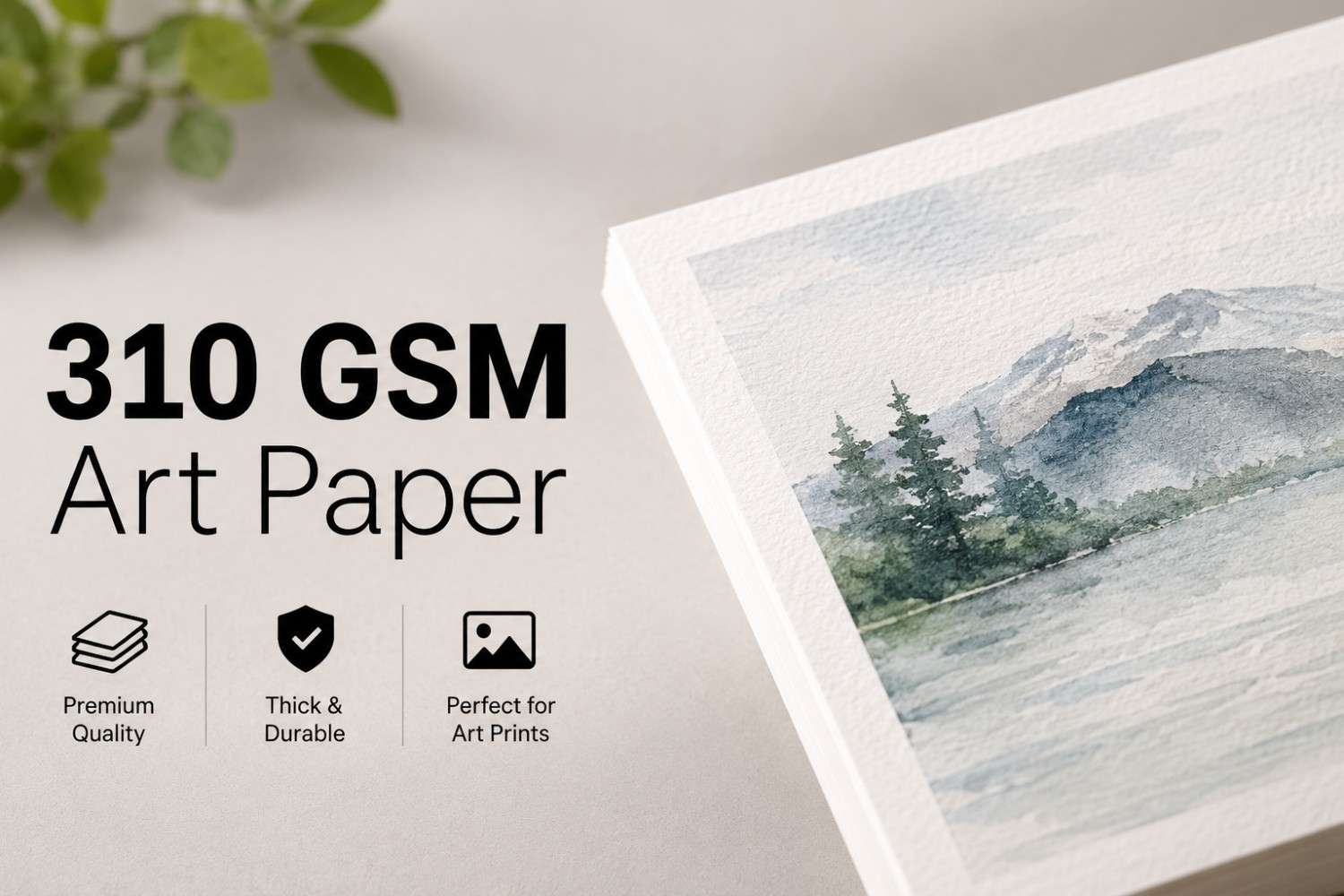
For professional printing, acid-free archival papers between 250 GSM and 310 GSM offer the best balance of durability, color reproduction, and premium feel.
3. What is the best printer for fine art prints?
Professional pigment ink printers such as the Epson SureColor series and Canon imagePROGRAF series are widely regarded as the best printers for museum-quality fine art printing.
4. What GSM paper is best for art prints?
Most professional art prints are produced on paper between 250 GSM and 310 GSM. Museum-quality prints often use papers ranging from 310 GSM to 350 GSM.
5. What paper do professional artists use?
Professional artists typically use 100% cotton rag papers from trusted brands like Hahnemühle, Canson Infinity, Ilford Galerie, Epson, and Moab because of their archival quality and superior print performance.
6. Which paper is considered high quality?
High-quality paper is acid-free, lignin-free, archival, and made from premium cotton fibers or alpha cellulose. It should offer excellent ink absorption and long-term durability.
7. What is the best file type for fine art prints?
TIFF is the preferred file format for fine art printing because it preserves maximum image quality without compression. High-resolution JPEG and PDF files are also commonly accepted for professional printing.
8. What is the smoothest art paper?
Hahnemühle Photo Rag, Epson Hot Press Bright, and Canson Rag Photographique are among the smoothest fine art papers available, making them ideal for detailed artwork and photography.
9. What paper is used for high-quality prints?
High-quality prints are commonly produced on cotton rag, baryta, textured fine art paper, or premium matte papers using pigment inks.
10. How many types of paper are there for art?
There are several types of art paper, including cotton rag, alpha cellulose, matte, satin, glossy, baryta, textured, smooth, watercolor, canvas, and mixed-media papers. Each is suited to different artistic styles and printing needs.
11. Which GSM paper is best for sketching?
For sketching, papers between 180 GSM and 250 GSM are ideal because they provide sufficient thickness while remaining easy to handle.
12. What is the best thick paper for art prints?
Papers between 300 GSM and 350 GSM are considered the best thick papers for premium fine art prints because they offer excellent durability and a luxurious feel.
13.Which is better: 200 GSM or 300 GSM?
For fine art printing, 300 GSM paper is generally better because it is thicker, more durable, and provides a premium presentation. However, 200 GSM paper is suitable for posters and everyday art prints.
14. Which is better: 80 GSM or 100 GSM?
100 GSM paper is better than 80 GSM because it is thicker, reduces ink bleed, and provides improved durability. However, neither is recommended for fine art printing.
15. How do I identify good-quality paper?
Good-quality paper is acid-free, lignin-free, has a high GSM rating, offers consistent texture, and is compatible with pigment inks. Premium fine art papers also provide archival longevity and excellent color reproduction.
16. What is the most expensive type of paper?
Museum-grade 100% cotton papers, such as Hahnemühle Museum Etching and Canson Infinity Arches papers, are among the most expensive because of their premium materials, handcrafted quality, and archival performance.
17.Does fine art paper fade over time?
High-quality fine art paper printed with pigment inks can last more than 100 years under proper storage and display conditions. Lower-quality papers and dye inks fade much sooner.
18. Which paper is best for black-and-white photography?
Baryta papers and premium cotton rag papers are ideal for black-and-white photography because they deliver deep blacks, rich contrast, and excellent tonal gradation.
20.Is matte paper better than glossy for artwork?
Matte paper is generally preferred for fine art because it minimizes glare, enhances texture, and provides a timeless, gallery-quality appearance. Glossy paper is better suited for vibrant commercial photography.
21. Does textured paper affect image sharpness?
Textured paper can slightly soften very fine details, but it adds depth and a handcrafted appearance that enhances paintings, watercolor reproductions, and artistic prints.
22. Can I print fine art on a regular inkjet printer?
Yes, provided the printer supports thick fine art papers and uses compatible inks. However, professional pigment ink printers produce significantly better archival and color results.
23. What resolution is best for fine art printing?
A resolution of 300 DPI at the final print size is recommended for sharp, professional-quality fine art prints.
24. What color profile should I use for fine art printing?
Use the ICC color profile recommended for your specific printer and paper combination to achieve accurate color reproduction. Adobe RGB is often preferred for professional printing workflows.
25.Should I choose textured or smooth fine art paper?
Choose textured paper for paintings, watercolor reproductions, and traditional artwork. Smooth paper is better for photography, digital art, and highly detailed illustrations.
26. Can fine art prints be framed without glass?
Yes. Canvas prints are commonly displayed without glass. Paper prints can also be framed without glass, but using UV-protective glass or acrylic offers better protection against dust, moisture, and fading.
27.How long do museum-quality fine art prints last?
Museum-quality prints made with archival cotton paper and pigment inks can last between 100 and 200 years or more when properly framed and stored.
28. Are fine art papers waterproof?
Most fine art papers are not waterproof. However, pigment inks offer excellent water resistance, and proper framing helps protect prints from moisture.
29. Can fine art paper be used for certificates or premium documents?
Yes. Smooth cotton fine art papers are often used for luxury certificates, limited-edition prints, awards, and premium stationery due to their elegant appearance and durability.
28. Which paper is best for limited-edition art prints?
100% cotton archival papers such as Hahnemühle Photo Rag 308 GSM and Canson Infinity Rag Photographique are among the best choices for limited-edition prints because of their museum-grade quality and longevity.
29. Why should I choose professional fine art printing instead of home printing?
Professional fine art printing offers better color management, archival pigment inks, museum-grade papers, higher-resolution printers, and expert quality control, resulting in superior print quality and longer-lasting artwork.
Leave a Reply
Your email address will not be published. Required fields are marked *