PREVIOUS POST
How to Identify High-Quality Art Prints Before You Buy
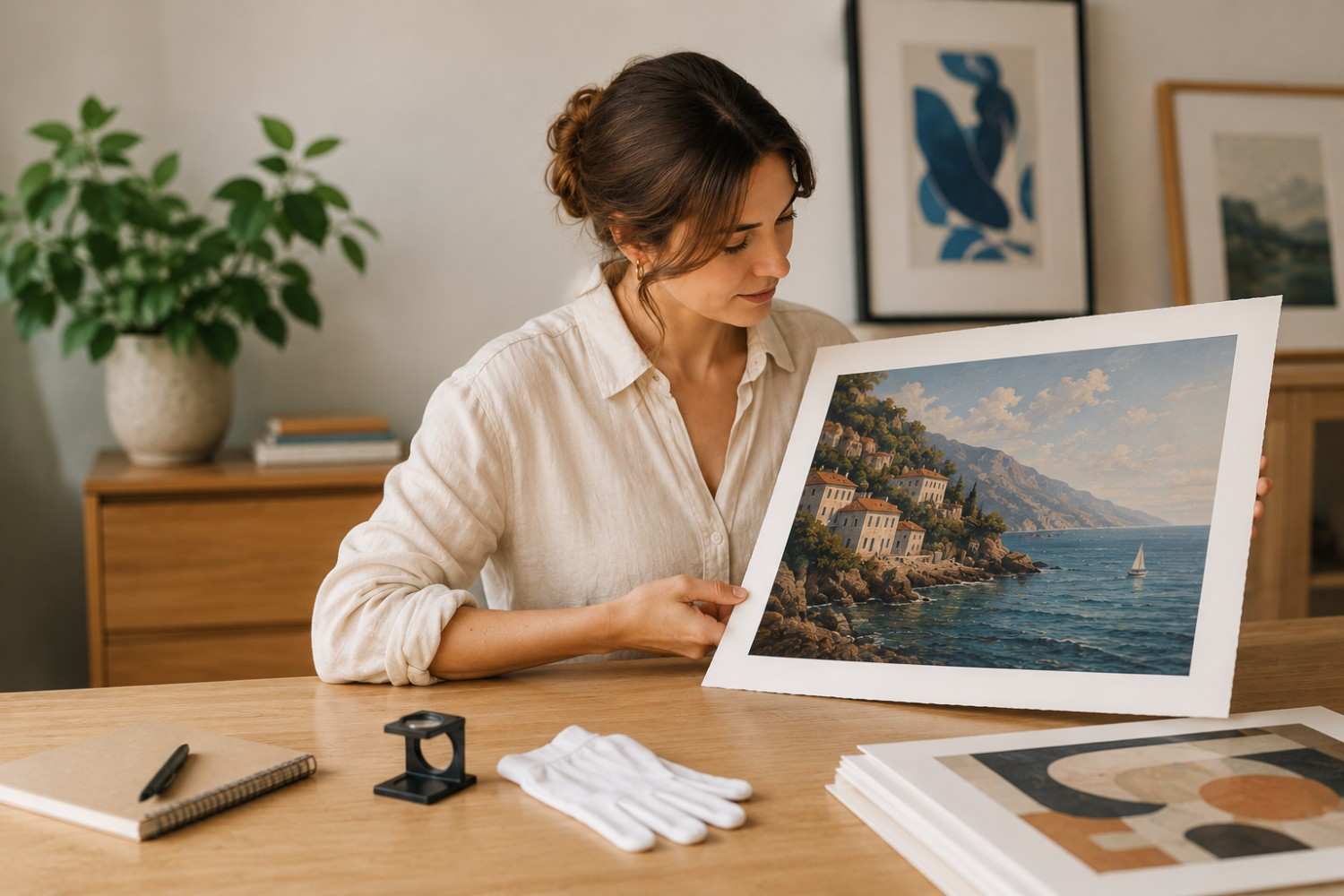
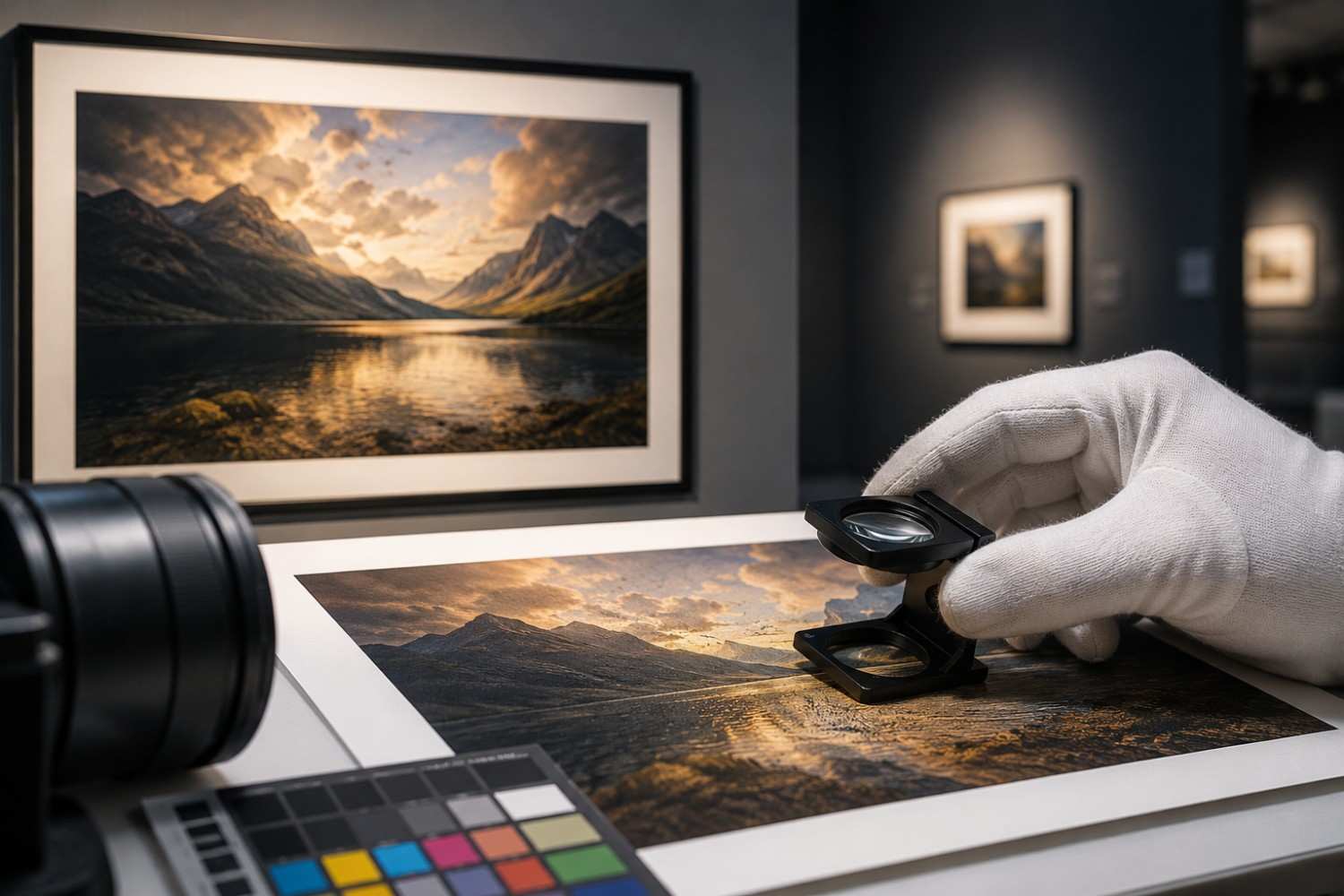
You spot it instantly. A landscape photograph, a bold contemporary piece, or a limited-edition artwork that makes you stop scrolling. But before you reach for your wallet, one quiet question deserves an answer. Is this actually a museum quality art print, a professionally produced piece created using giclee printing, or simply an expensive piece of paper?
Knowing how to identify premium prints helps you invest in artwork that retains its beauty, colour accuracy, and value for years to come. Whether you're purchasing artwork for your home, office, or personal collection, understanding what separates premium prints from ordinary reproductions can save you from disappointment.
What You'll Learn in This Guide
How to identify a genuine museum quality art print
Why giclee printing is considered the industry standard for fine art reproduction
How to evaluate paper quality, colour accuracy, and print sharpness
The importance of archival inks and materials for long-lasting prints
Questions you should ask before purchasing fine art prints
How to choose high quality photo prints that preserve every detail and colour
1. Examine the Printing Method
Replace this paragraph:
Among artists, galleries, and serious collectors, giclée printing is widely regarded as the gold standard for fine art reproduction.
Among artists, galleries, and serious collectors, giclee printing is widely regarded as the gold standard for fine art reproduction. This advanced printing process produces museum quality art prints with exceptional colour accuracy, fine detail, and archival longevity, making it the preferred choice for professional artists and photographers.
Replace this sentence:
When researching a piece, watch for terms like giclée art prints...
When researching a piece, watch for terms like giclee printing, giclée art prints, fine art printing, archival pigment printing, and museum quality art print. These phrases usually indicate that the artist or print studio follows professional production standards.
4. Look for Archival Materials
Replace the last paragraph with:
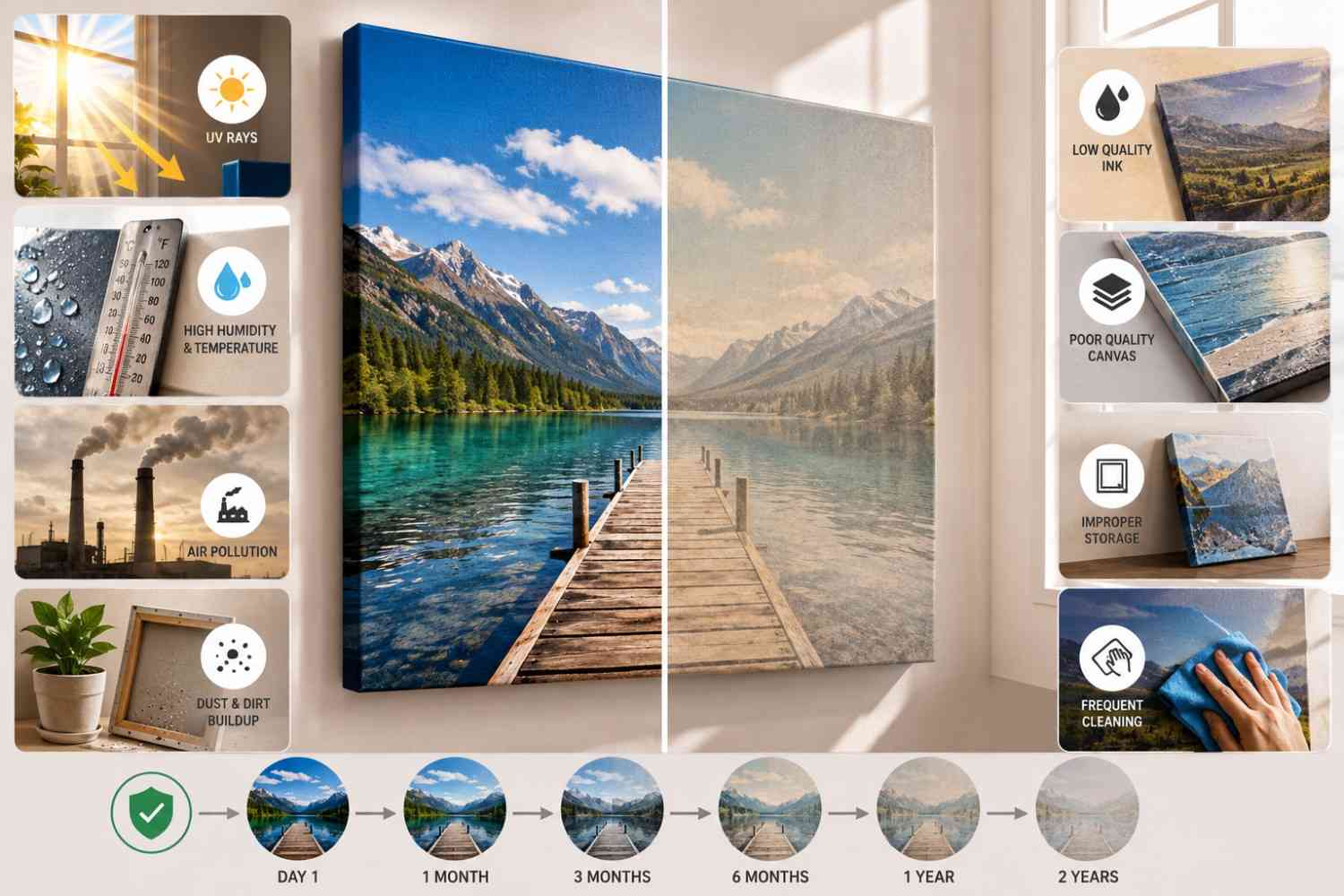
When all three elements come together, a print can retain its visual integrity for generations. Whether you're purchasing fine art reproductions or high quality photo prints, archival materials ensure your investment remains vibrant and fade-resistant for decades.
7. Understand the Importance of Colour Management
Replace the last sentence with:
This invisible technical foundation is what separates premium high quality photo prints and museum quality art prints from mass-produced alternatives.
How Photostop Creates High-Quality Art Prints
At Photostop, we understand that artists are not simply printing images. They are preserving stories, memories, and creative legacies that deserve exceptional care.
Our fine art printing workflow combines professional giclee printing, archival pigment inks, premium cotton-based fine art papers, advanced colour management systems, and high-resolution printing technology to create authentic museum quality art prints. Whether you're reproducing artwork or ordering high quality photo prints, every print is carefully inspected to ensure it reflects the artist's original vision with outstanding colour accuracy and consistency.
Because great printing is not just about technology. It is about trust.
Final Thoughts
If you're ready to transform your artwork into a museum quality art print or create high quality photo prints that stand the test of time, don't settle for ordinary printing. Visit Photostop today and let our team produce professional giclee printing with the precision, craftsmanship, and archival quality your artwork deserves.
Must Read - What Are Epson Pigment Archival Prints and Why Do They Last for Decades?
People Also Ask
Guide to Buying Prints (Not Originals)
If you're purchasing prints instead of original artwork, focus on the quality of the reproduction rather than exclusivity. Look for professional giclee printing, archival pigment inks, premium acid-free paper, and reputable print studios that provide transparent information about their printing process. Limited editions, artist signatures, and certificates of authenticity can also increase the print's value and collectability.
What Should I Look for When Purchasing Fine Art Prints?
When buying fine art prints, consider the following:
Professional giclee printing process
Archival pigment inks
Museum-grade, acid-free paper
Sharp image resolution and accurate colour reproduction
Artist signature or certificate of authenticity (if applicable)
Reputation of the print studio or artist
These factors ensure you're investing in a durable, museum quality art print that will maintain its appearance for years.
What Should I Look for or Ask When Buying Original Art?
When purchasing original artwork, ask about:
The artist's background and portfolio
Medium and materials used
Provenance or ownership history
Certificate of authenticity
Framing recommendations
Proper care and maintenance
Even when purchasing originals, it's valuable to know whether the artist also offers high quality photo prints or archival reproductions for future collection opportunities.
Leave a Reply
Your email address will not be published. Required fields are marked *